Headstones Pembrokeshire
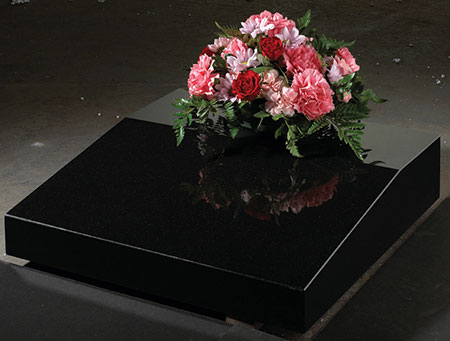
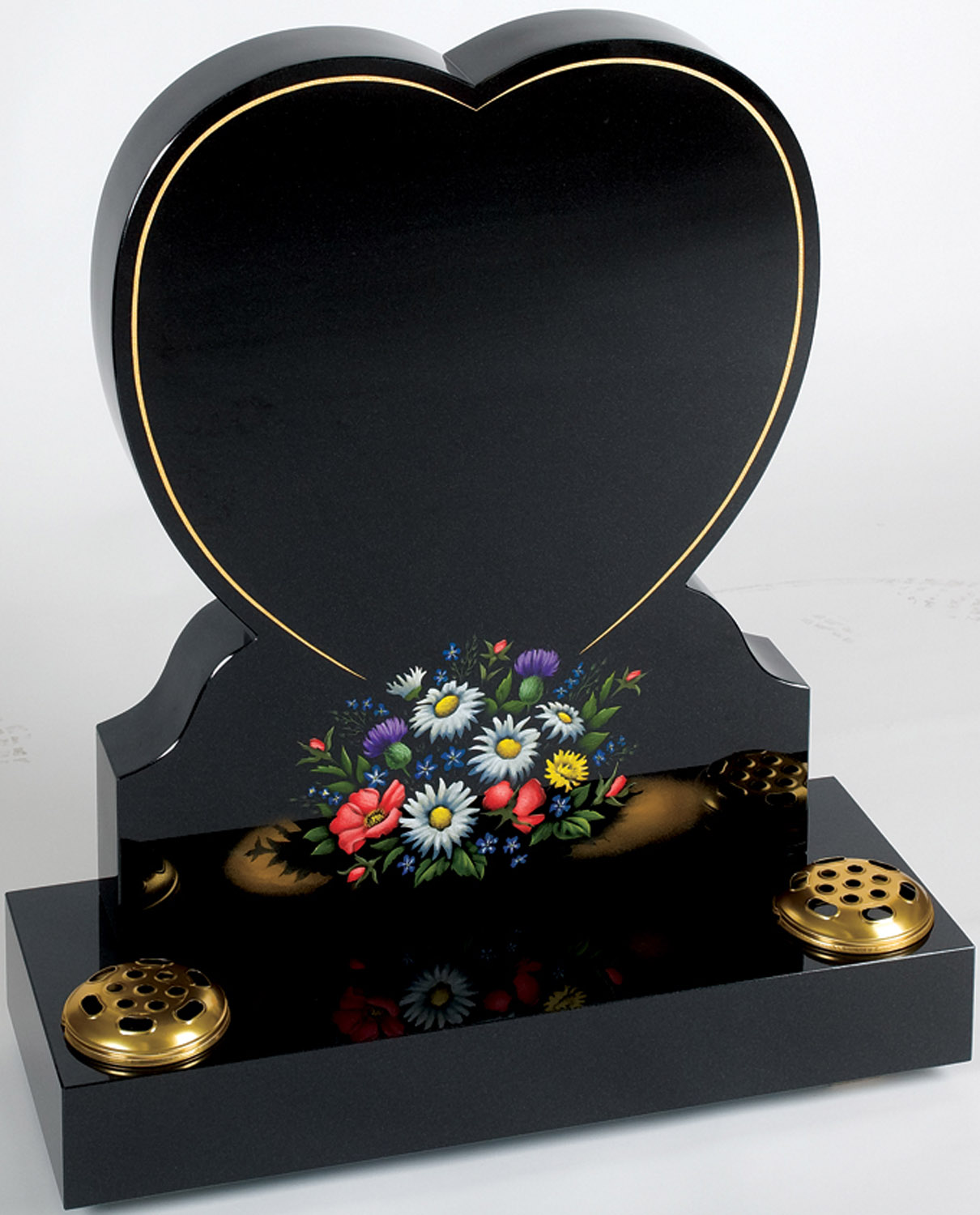
A headstone, tombstone, or gravestone is a stele or marker, usually stone, that is placed over a grave. They are traditional for burials in the Christian, Jewish and Muslim religions, among others. In most cases they have the deceased's name, date of birth, and date of death inscribed on them, along with a personal message, or prayer, but they may contain pieces of funerary art, especially details in stone relief. In many parts of Europe insetting a photograph of the deceased in a frame is very common.
A cemetery may follow national codes of practice or independently prescribe the size and use of certain materials, especially in a conservation area. Some may limit the placing of a wooden memorial to six months after burial, after which a more permanent memorial must be placed. Others may require stones of a certain shape or position to facilitate grass-cutting. Headstones of granite, marble and other kinds of stone are usually created, installed, and repaired by monumental masons. Cemeteries require regular inspection and maintenance, as stones may settle, topple and, on rare occasions, fall and injure people;[1] or graves may simply become overgrown and their markers lost or vandalised.
Restoration is a specialized job for a monumental mason. Even overgrowth removal requires care to avoid damaging the carving. For example, ivy should only be cut at the base roots and left to naturally die off, never pulled off forcefully. Many materials have been used as markers.